Commercial Moves in Mayfair
Moving a business in Mayfair takes more than a van and a few boxes. This is one of London’s most distinctive commercial districts, where premium offices, private practices, boutiques, hospitality venues, galleries, and professional suites sit alongside period buildings, managed estates, and busy streets with limited loading space. If you are planning commercial moves in Mayfair, you need a service that understands the pace of the area, the importance of discretion, and the practical realities of moving in a central London location.
Whether you are relocating a small office, fitting out a new workspace, moving archived records, or transferring a retail unit from one side of the neighbourhood to another, the process has to be organised, efficient, and carefully timed. The right team can help reduce disruption, protect equipment and stock, and make sure your staff can get back to work as quickly as possible. For local businesses, that means choosing movers who know Mayfair and the surrounding West End well enough to plan the move properly from the start.
Our service is designed for businesses that value reliability and clear communication. We work with offices, clinics, studios, showrooms, hospitality venues, and other commercial premises that need a structured relocation plan. From early planning to final placement, every stage is handled with care so your move feels controlled rather than chaotic. Contact us today to discuss your requirements and arrange a quote tailored to your premises and schedule.
 Why businesses choose commercial moving support in Mayfair
Mayfair has a very particular feel, and that affects how a business move needs to be handled. Streets such as Bond Street, Grosvenor Street, Berkeley Square, and the surrounding lanes can be busy, narrow, and subject to access restrictions. Many buildings are period properties with stair access, limited lifts, concierge arrangements, or shared entrances. A move in this part of London is rarely a simple case of loading from one doorway to another.
Commercial clients often need a mover who can work around building management requirements, quiet hours, lift booking systems, and loading bay limitations. In some premises, access may be tight or shared with neighbouring businesses. In others, high-value items require extra protection and careful handling. A local team that regularly works in the area will already be used to these conditions and can prepare accordingly.
There is also a strong commercial expectation in Mayfair: businesses want minimal disruption, sensible scheduling, and professional conduct throughout the move. Staff, clients, and building managers all expect a smooth process. That is why businesses in the area often look for a Mayfair office move or commercial relocation service that can adapt to the realities of the neighbourhood rather than offering a one-size-fits-all approach.
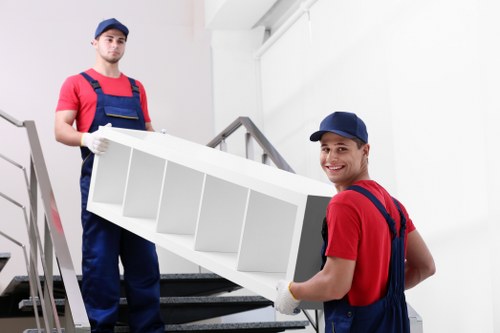 What our commercial move service includes
A successful business relocation involves far more than transport. It starts with understanding what needs to move, how it is organised, and which items require special care. Our Mayfair commercial removals service is built to support businesses through each step so the move stays structured and manageable.
Typical elements of the service include:
- Pre-move planning and site assessment
- Inventory planning for furniture, equipment, files, stock, and specialist items
- Packing support for fragile, confidential, or high-value items
- Disassembly and reassembly of office furniture where needed
- Careful loading, transport, and unloading
- Placement of items in designated rooms or zones
- Coordination around building access, lift usage, and time restrictions
- Support for phased moves, after-hours moves, and weekend relocations
We also understand that some businesses need a discreet approach. A private practice may not want a busy move visible to clients, while a luxury retail or showroom space may need stock and fixtures handled with exceptional care. In those cases, professional commercial movers in Mayfair can make all the difference by keeping the process calm and well managed.
For businesses with a larger footprint, the move may include several departments, storage items, archived paperwork, IT equipment, and specialist furnishings. The aim is to keep everything clearly labelled and systematically transferred so that nothing gets misplaced in the transition.
 Offices, clinics, retailers, and hospitality spaces we help move
Mayfair is home to a broad mix of commercial properties, and each one brings a slightly different set of moving challenges. A corporate office may need desks, screens, filing systems, and meeting room furniture transferred in stages. A clinic or consultancy might need to move confidential files, specialist equipment, and patient or client-facing areas with extra care.
Retail and showroom spaces often require careful handling of display units, lighting, product stock, mirrors, and bespoke fixtures. Hospitality venues may need furniture, small equipment, bar items, storage contents, and front-of-house equipment relocated with minimal disruption to trading schedules. In a district known for quality presentation, every item matters.
This is why local businesses often prefer commercial relocation in Mayfair from a team that understands both the practical and reputational sides of the process. The move should protect your property, reduce downtime, and leave the new premises ready for work, service, or trading as efficiently as possible.
Common commercial property types in the area
We regularly support moves involving:
- Private offices and shared office suites
- Medical, wellness, and specialist consultation rooms
- Retail units and luxury boutiques
- Galleries and presentation spaces
- Hospitality and food service premises
- Professional service firms and small business headquarters
- Storage rooms and document archives
 Planning your move around Mayfair access and timing
Planning is the part of the move that saves the most time later. In Mayfair, this is especially important because access can be sensitive and timing may need to be coordinated with building managers, neighbours, or street restrictions. Even a small office relocation can become stressful if the route, parking, and access details are not arranged in advance.
Many local buildings have limited stopping space, controlled loading points, or time-specific access arrangements. Some properties are located close to busy commercial routes or heavily trafficked streets, which can affect when vehicles can arrive and how quickly loading can take place. An experienced team will help you work through these practical concerns before move day.
When arranging a Mayfair business move, it helps to think about the wider logistics too. For example, if your premises are in a shared building, you may need permission for lift use. If you are on an upper floor, you may need an extra team member or additional time for carrying items safely. If your business has high footfall, you may want to schedule the relocation before opening hours, after close, or over a weekend.
Helpful planning points for local businesses
- Confirm access times with building management early.
- Identify parking or loading restrictions before the move.
- Separate essential operational items from non-urgent items.
- Make a note of fragile, confidential, or high-value equipment.
- Tell staff what to pack, what will be moved first, and what must remain accessible.
- Arrange IT shutdown and restart timing if computers or network equipment are involved.
Taking these steps beforehand allows the move team to work efficiently on the day and helps your staff settle into the new space without unnecessary confusion.
 How the commercial move process works
Every business is different, but a structured move usually follows a similar process. The idea is to remove uncertainty and create a clear sequence that everyone can follow. That way, your team knows what to expect, and the move remains under control from first enquiry to completion.
Step one is usually a conversation about the current premises, the new premises, the items being moved, and any time restrictions that may apply. If needed, a site visit or detailed inventory review can help establish the scale of the relocation and identify special handling needs. This is particularly useful for businesses in Mayfair, where building access and loading arrangements may not be straightforward.
Step two is move preparation. This may involve packing, labels, dismantling furniture, protecting sensitive items, and setting out a sequence for what should be moved first. Many commercial clients appreciate being able to stage the process so essential functions remain available for as long as possible.
Step three is move day itself. Items are safely loaded, transported, and unloaded in the correct order. If required, furniture is rebuilt, equipment is positioned, and boxes are placed in the relevant rooms or departments. After the move, many businesses want a final check to make sure the important items have arrived and the premises are ready for the next working stage.
What a smooth move day should feel like
You should expect clear communication, careful handling, and an efficient workflow. A good commercial moving team will stay organised, work methodically, and respect the fact that your business needs to keep operating as far as possible during the transition.
Preparation checklist for a business relocation
Preparation is one of the biggest factors in how smoothly a move goes. A well-prepared business can often reduce downtime, avoid confusion, and make the transition easier for staff and customers. If you are planning commercial moves in Mayfair, the following checklist is a practical place to begin.
Before move day:
- Notify staff of the move date and any packing responsibilities
- Back up important digital files and confirm IT arrangements
- Separate confidential files and mark them clearly
- Declutter redundant furniture, archive items, and old equipment
- Label workstations, rooms, or departments
- Confirm access details for both the current and new locations
- Set aside essential items needed for the first day in the new premises
On the day:
- Keep a responsible person available to answer questions
- Ensure keys, fobs, codes, or access passes are ready
- Make sure critical equipment has been disconnected safely
- Protect floors, walls, and sensitive surfaces where needed
- Double-check that lift bookings or loading permissions are in place
These steps may seem small, but they can prevent avoidable delays. For businesses in central London, and especially in an area as busy and refined as Mayfair, this kind of preparation helps the move feel professional from beginning to end.
Pricing factors for commercial removals in Mayfair
Businesses often want to know what affects the cost of a move. While exact figures depend on the specifics of the job, several common factors shape the final quote. Understanding these early helps you compare services sensibly and choose a move that fits your schedule and budget.
The main pricing factors usually include:
- The size of the premises and the number of items being moved
- The complexity of access, including stairs, lifts, and parking restrictions
- The level of packing or dismantling support required
- Whether the move needs to happen outside normal business hours
- The distance between the current and new premises
- The need for specialist handling of equipment, artwork, or confidential materials
- Any requirement for phased relocation or multi-stop transport
In Mayfair, access complexity can be a major factor. A smaller move may still require extra planning if loading is limited or if the building has strict entry rules. That is why a local mover should ask the right questions upfront rather than offering a vague estimate. It is also why many businesses prefer to request a free quote after discussing the layout, access, and scope of the work in detail.
Transparent pricing starts with good information. The more accurate the move details, the better the estimate can reflect the real work involved.
Why choose a local company for a Mayfair business move
There is real value in choosing a moving team that already understands the area. Mayfair’s mix of high-value premises, narrow streets, building management requirements, and premium expectations makes local knowledge extremely useful. A company that regularly works nearby is more likely to anticipate the practical issues before they become problems.
Local experience also helps with timing. If a move needs to be coordinated around nearby traffic, access windows, or a specific building’s rules, a team familiar with the district can plan more effectively. That can reduce unnecessary waiting time and make the whole relocation feel more efficient.
Another reason businesses prefer a nearby mover is communication. If you are running a business in Mayfair, you may not have time to repeat details to multiple parties or chase updates. A local team that understands your commercial environment is better placed to provide a steady, responsive service.
Benefits of choosing a Mayfair-based or Mayfair-focused mover
- Better understanding of loading and access constraints
- More relevant experience with office, retail, and hospitality moves
- Faster planning for city-centre logistics
- Suitable for discreet, high-value, or time-sensitive relocations
- More practical coordination with central London buildings and estates
For local customers, that combination of experience and convenience is often what makes the move run more smoothly.
Areas covered around Mayfair
Commercial clients in Mayfair often work across a wider part of central London, and many relocations involve nearby districts as part of the same project. Depending on your business needs, moves may involve short transfers within the West End or relocations to and from neighbouring commercial areas.
Areas commonly covered include:
- Mayfair
- Bond Street
- Oxford Street and nearby retail corridors
- Piccadilly
- St James’s
- Marylebone
- Soho
- Knightsbridge
- Belgravia
- Westminster
- Fitzrovia
These neighbourhoods share some of the same logistical challenges, but each one has its own building styles and access conditions. That is why a move between nearby streets can still require proper planning. If your business is moving from a heritage property to a modern office suite, or from one luxury retail location to another, the service should adapt to the building type and working environment rather than treating every move the same.
Commercial moving support for different business stages
Not every move is a full relocation from one complete office to another. Many businesses need support at different stages of their growth or transformation. Some are downsizing after a restructure. Some are expanding into additional rooms or floors. Others are modernising a workspace and need furniture or contents moved temporarily during refurbishment.
In Mayfair, this kind of flexibility is especially helpful. Businesses may be in period buildings with phased access, or they may need to keep part of the premises live while work takes place elsewhere. A commercial mover should therefore be able to support partial moves, internal rearrangements, and short-term storage coordination where needed.
Common scenarios include:
- Office expansion or consolidation
- Refurbishment moves
- Internal departmental reorganisation
- Archive and records relocation
- Showroom resets and stock transfers
- Change of use within the same premises
These jobs still need the same level of care as a full relocation. In fact, because they often happen while the business is still operating, they can require even more coordination and flexibility.
Handling specialist items with care
Many commercial spaces contain more than desks and chairs. In Mayfair especially, businesses may need to move artwork, display furniture, secure files, premium stock, fitted shelving, delicate equipment, or bespoke interiors. These items can be awkward to carry, sensitive to impact, or expensive to replace, so handling must be deliberate.
Specialist items are usually managed through a combination of protection materials, careful lifting, measured loading, and clearly planned placement at the destination. If an item needs to be kept upright, separated, cushioned, or secured in a certain way, the move team should account for that before anything leaves the building.
For confidential materials, the focus may be on controlled handling and limited access. For visual or luxury items, the priority may be preventing scuffs, scratches, or accidental damage. For technical equipment, the move may involve specific shutdown, packing, and restart steps.
Examples of items that often need extra attention
- IT hardware and screens
- Filing cabinets and archive boxes
- Art, mirrors, and decorative pieces
- Glass shelving and display units
- Reception furniture and bespoke joinery
- Stock for retail or hospitality use
FAQs about commercial moves in Mayfair
How far in advance should I book a commercial move?
It is sensible to begin planning as early as possible, especially if your building has access restrictions or you want to move outside normal hours. The earlier the arrangements start, the easier it is to coordinate the details.
Can you help with small office moves as well as larger relocations?
Yes. Many businesses in Mayfair only need a modest office or suite moved, while others require a larger relocation. The service should scale to the size and complexity of your job.
Do commercial moves in Mayfair need special access planning?
Often, yes. Loading areas, lift bookings, building rules, and street access can all affect how a move is organised. That is why local knowledge is useful.
Can the move be arranged outside business hours?
In many cases, yes. Evening, early morning, and weekend moves are often chosen to reduce disruption, especially for customer-facing businesses.
What if our business has confidential files or sensitive equipment?
Those items should be identified early so they can be packed, labelled, and handled appropriately. A structured commercial move can help protect both confidentiality and equipment condition.
Do you help with furniture dismantling and reassembly?
That is commonly included where needed, especially for office desks, meeting tables, shelving, and modular furniture systems.
Can you move us within Mayfair or only to other areas?
Both. Many moves are local, such as within Mayfair or to a nearby district. Others involve longer central London relocations. The planning approach remains equally important either way.
What makes a move successful for local businesses
A successful relocation is one that protects the business as much as the physical items. That means keeping downtime under control, preserving access to key materials, and reducing the chance of confusion once the team is in the new premises. In a place like Mayfair, where presentation and efficiency matter, this is especially important.
Good commercial movers do more than carry objects from one building to another. They help create a system around the move: clear packing, sensible labelling, practical loading, careful route planning, and a destination setup that makes it easier for the business to resume normal operations. For a retail client, that may mean stock and display items go exactly where needed. For an office, it may mean departments can restart work without hunting for essential equipment.
That level of support is particularly valuable in Mayfair, where businesses often occupy premium space and work to tight schedules. When time, image, and practicality all matter, choosing a skilled local team is a sensible decision.
Ready to plan your move?
If you are preparing a relocation, internal move, or phased transfer in the area, now is the time to take the next step. A well-planned move can save stress, protect your assets, and help your team stay productive throughout the process. Book your service now or request a free quote to get started with a move plan that suits your business.
Contact us today to discuss your commercial relocation requirements in Mayfair and arrange a service that works around your premises, schedule, and operational needs.